OSI HOLDINGS WINS BEST BOUTIQUE DEVELOPER AT PROPERTYGURU 2026
On 16 October 2026, at the PropertyGuru Vietnam Property Awards ceremony in Ho Chi Minh City, OSI Holdings was honoured in the Best Boutique Developer category.
Hanoi recently commenced construction on five urban railway lines simultaneously, including Lines 1, 2, 8, 10 and 14, with a combined investment of more than VND 1.3 quadrillion. This marks a significant step towards completing the city’s public transport network, creating momentum for urban expansion and establishing new growth hubs across the capital over the coming decades.
Among these projects, Metro Line 10 is considered particularly significant. Beyond connecting central areas, it is designed to form an urban rail loop linking emerging growth hubs across northern, western and eastern Hanoi.
According to the plan, Metro Line 10 will span approximately 43 kilometres, connecting Co Loa with Vo Chi Cong Street, Ring Road 3, Ring Road 2.5 and Times City. The project has an estimated investment of VND 206.786 trillion. It is designed to ease traffic congestion in the inner city while providing direct connections to several other metro lines planned for the future.
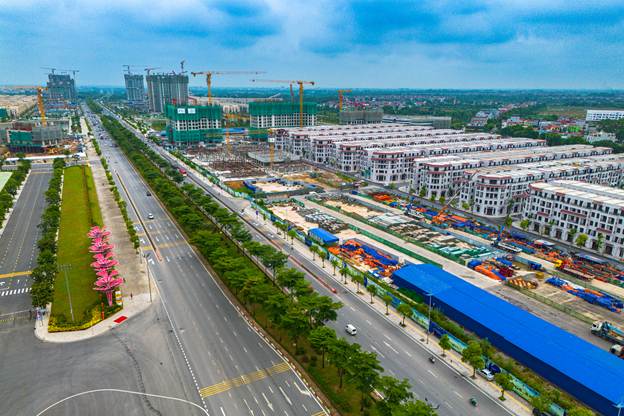
Co Loa marks the starting point of Metro Line 10 and is also an area where several of Hanoi’s large-scale developments are concentrated. Alongside the Vietnam Exhibition Center, which is nearing completion, the Vinhomes Global Gate mega-urban development is being developed as an integrated complex, gradually establishing a major new hub for commerce, services and exhibitions north of the Red River.
From Co Loa, Metro Line 10 will run along Truong Sa Street towards Nhat Tan Bridge. This is a strategic transport corridor connecting areas north of the Red River with the city centre, while also serving as a gateway to Noi Bai International Airport and the chain of urban developments in northwestern Hanoi.
The urban railway is expected to run along Nhat Tan Bridge and connect with Vo Chi Cong Street, an area that has experienced some of Hanoi’s fastest urbanisation over the past decade. Large-scale urban developments, office complexes, hotels and shopping centres are now concentrated along both sides of this corridor.
Notably, Metro Line 10 will pass through the Tay Ho Tay urban area, which is planned to become Hanoi’s new administrative centre, with the proposed relocation of the headquarters of 13 central government ministries and agencies. The line will also intersect with Metro Line 2 (Nam Thang Long–Tran Hung Dao section), enhancing connectivity across the capital’s future metro network.
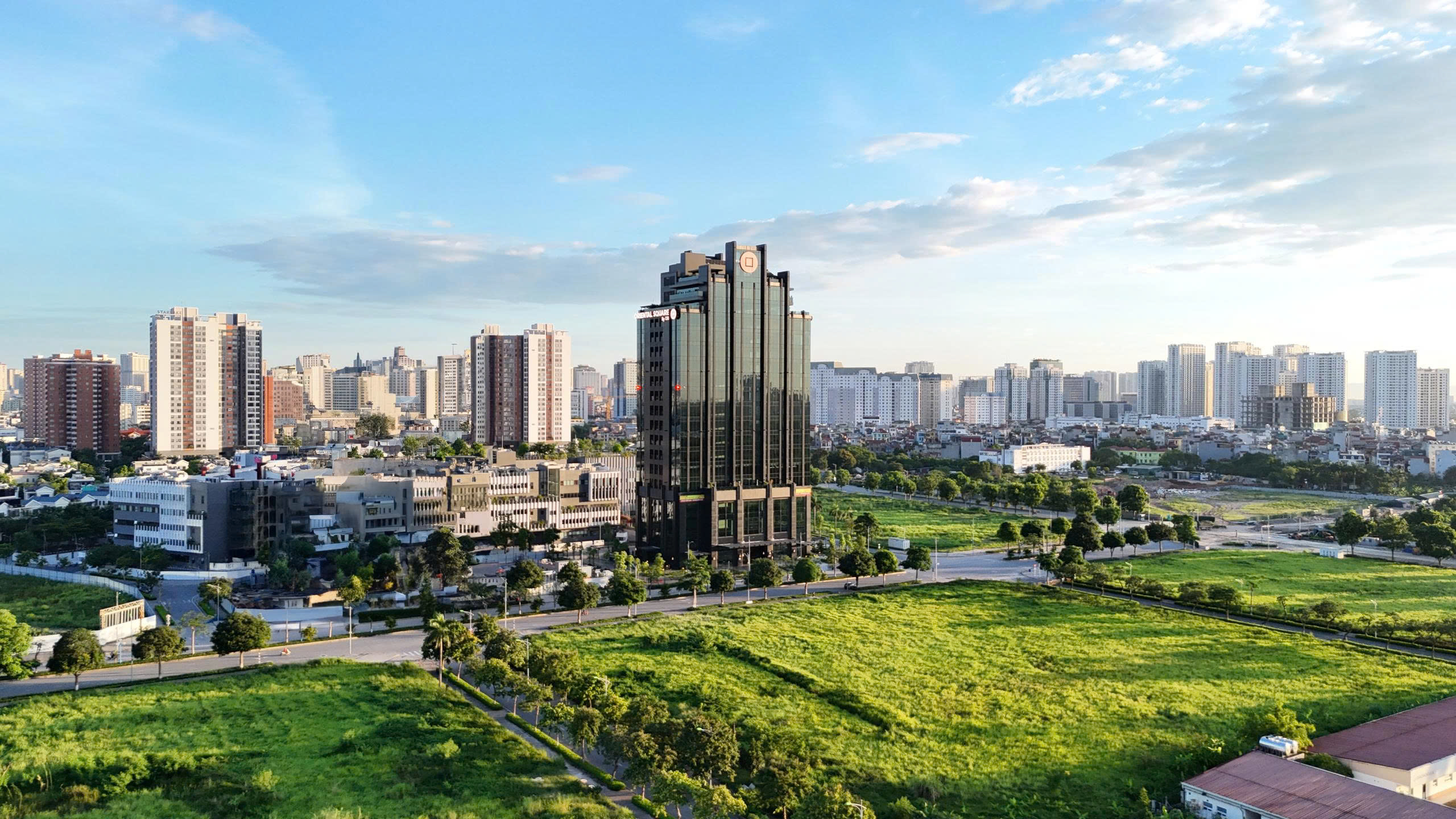
Tay Ho Tay urban area, also known as Starlake Tay Ho Tay, covers 186.3 hectares and is one of the most modern urban developments in northern Hanoi. With integrated planning and continuously improving infrastructure, Starlake commands some of the city’s highest prices for apartments, villas and townhouses. It has also become a destination for luxury real estate developments and major organisations and businesses.
Further along its route, Metro Line 10 will intersect with the Nhon–Hanoi Station metro line in the Ho Tung Mau area. Once completed, the two lines will offer direct interchange connections, helping establish an integrated metro network and improving travel between northern and western Hanoi and the city centre.
Metro Line 10 will also connect to the My Dinh area via Le Duc Tho Street before following Ring Road 3. Once operational, the line is expected to ease traffic pressure along Ring Road 3, a major arterial route that frequently experiences severe congestion.
After following Ring Road 3, the route will shift towards Ring Road 2.5. Here, Metro Line 10 will intersect with the Cat Linh–Ha Dong metro line, facilitating passenger transfers and improving connectivity between western and southern Hanoi and the city centre. Construction is currently being accelerated along several sections of Ring Road 2.5 to complete the road in line with the approved plan.
Several large-scale real estate developments are located along the Ring Road 2.5 corridor, including Royal City and Masteri Cao–Xa–La. According to the plan, the Masteri Cao–Xa–La development will cover approximately 11 hectares, comprising a mixed-use complex with retail and service facilities, premium apartments, offices and educational facilities. Of this area, approximately 5.2 hectares are allocated to mixed-use commercial and service buildings, more than 1.73 hectares to educational facilities, over 1.5 hectares to offices combined with short-term accommodation, and approximately 0.45 hectares to public facilities.
The urban railway will then connect directly to the Times City mega-urban development before crossing the Red River and returning to Dong Anh. With dozens of high-rise residential towers and one of Hanoi’s largest residential populations, Times City is considered an area with substantial demand for public transport.
Once completed, Metro Line 10 will directly connect major urban developments such as Vinhomes Global Gate, Starlake Tay Ho Tay and Times City, while linking with Metro Line 2, the Nhon–Hanoi Station line and the Cat Linh–Ha Dong line. The project is also expected to become a strategic transport corridor, supporting urban expansion and strengthening connectivity between Hanoi’s major growth hubs in the years ahead.

On 16 October 2026, at the PropertyGuru Vietnam Property Awards ceremony in Ho Chi Minh City, OSI Holdings was honoured in the Best Boutique Developer category.
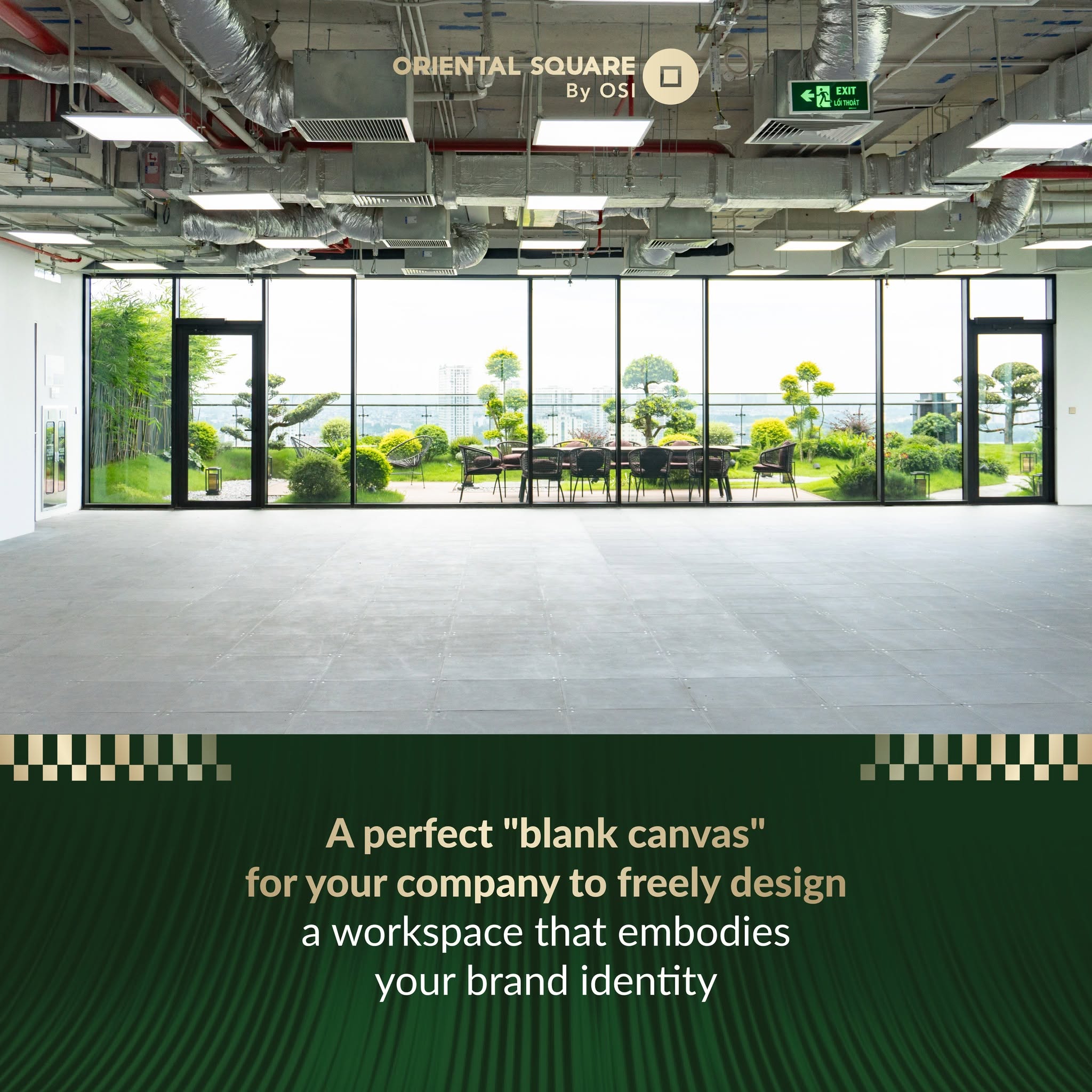
For Chief Financial Officers (CFOs) and Administrative Managers, fit-out costs and space efficiency (Efficiency Ratio) are always top priorities when selecting an office building.

